

Maintaining the health of drainage systems and sewer systems is an frequently ignored but essential aspect of homeownership in this province. As the population continues to rise and cities develop, the pressure on our sewer infrastructure increases, making routine upkeep and timely interventions more crucial than ever. Homeowners face various issues, from tree root intrusion to deteriorating plumbing, which can lead to costly repairs and significant inconvenience if not addressed promptly.
With the unique weather conditions and soil types across this region, grasping the significance of adequate drainage is crucial. Whether dealing with heavy rainfalls or cold weather fluctuations, the impact on our drainage infrastructure can be dramatic. Employing advanced tools like video camera inspections and methods such as no-dig solutions can help identify and resolve issues before they worsen, protecting your property and ensuring comfort and security. In this article, we will examine essential drain upkeep methods, repair strategies that work, and proactive steps that every Ontario homeowner should know to keep their drainage systems functioning optimally.
Significance of Routine Drain Maintenance
Routine drainage maintenance is essential for property owners in Ontario to avoid expensive fixes and health issues. As time passes, debris, grease, and roots can accumulate in drain systems, resulting in blockages and overflows. By Sewer line replacement and cleans, property owners can spot early indications of issues before they worsen into significant problems that require expensive fixes or even urgent assistance.
Furthermore, maintaining drainage systems helps safeguard the structural integrity of a property. In areas with heavy clay soils, like many parts of the south of Ontario, improper drainage can lead to water pooling around foundations, causing significant moisture problems and possible structural damage. Implementing preventive measures such as weeping tiles and sump pumps ensures that subsurface water is efficiently controlled, safeguarding homes from potential flooding and associated harm.
Finally, routine maintenance is essential for ensuring the lifespan of plumbing systems. Techniques such as hydro-jet cleaning can effectively eliminate tough blockages and avoid subsequent problems, while technology like sewer camera inspections allows for comprehensive diagnostics of lateral lines. By putting resources in adequate drainage care now, property owners can avoid significant inconveniences and expenses in the future, making it an important aspect of property upkeep in the province.
Sophisticated Methods in Drain Assessment and Maintenance
The development of technology has considerably transformed the approaches used in sewer examination and rehabilitation across the province. One of the most effective techniques is the use of CCTV sewer camera inspections. This method allows specialists to clearly diagnose hidden lateral line issues without disruptive digging. By using high-resolution cameras attached to flexible cables, professionals can thoroughly examine the interior of pipes, locate obstructions, fractures, and tree intrusions, and evaluate the condition of sewer systems. Sewer line replacement conserves time but also reduces costs by pinpointing issues before they grow into significant repairs.
Another new technique gaining popularity is trenchless sewer repair, specifically the cured-in-place pipe (CIPP) relining process. This method entails placing a resin-saturated tube into the existing pipe, which is then inflated and cured to create a new pipe within the old one. CIPP lining offers a major advantage for homeowners, as it minimizes the disturbance of yards and infrastructure. Additionally, this method successfully renovates aging sewer pipes without the extensive excavation and labor costs associated with traditional digging.
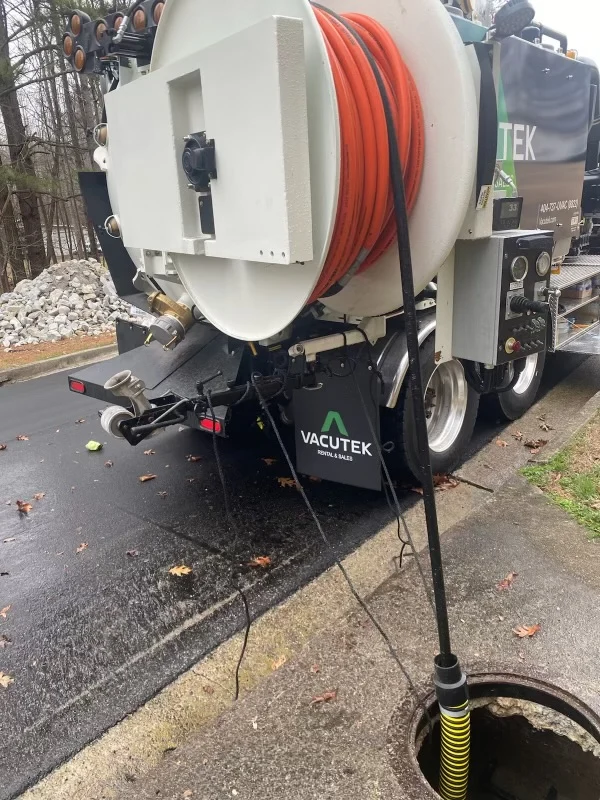
Furthermore, managing sewer backups caused by modern challenges such as wet wipes and grease clogs is becoming increasingly important. Regular hydro jetting and snaking are common methods for clearing major blockages. Hydro jetting uses high-pressure water to force away debris and buildup, while snaking aids in physically removing clogs. Integrating these sophisticated techniques ensures that homes and commercial establishments maintain a working drainage system, ultimately protecting property from the potential impacts of flooding and sewer surcharges in Ontario.
Preventative Measures and Homeowner Duties
Property owners play a vital role in the maintenance and longevity of their sewage systems. Frequent checkups, including CCTV sewer camera inspections, can help identify hidden issues like lateral line damage before they worsen. Arranging these inspections periodically can protect homeowners from costly repairs and ensure that their sewage systems are functioning at ideal levels. Additionally, being aware of the signs that suggest a potential backup, such as slow drains or foul odors, allows for prompt intervention.
Intrusion of tree roots is a common problem in Ontario, particularly with older clay sewer pipes. It is essential for homeowners to care for their properties by managing landscaping and ensuring that tree roots do not damage underground plumbing. Setting up backwater valves is another preventive measure that can safeguard basements from sewer surcharges, especially in areas susceptible to heavy rainfall. Understanding local regulations and implementing these measures can significantly lessen the risk of floods and sewer-related issues.
Furthermore, homeowners should also be aware with the distinctions between municipal sewer lines and private property drain responsibilities. Proper maintenance, such as keeping gutters clean and separating downspouts from sewage systems, helps prevent blockages. Engaging a licensed Ontario drain contractor for routine maintenance and emergency repairs is a wise decision. By taking these preventive measures, property owners not only safeguard their properties but also contribute to the overall well-being of the community drainage system.