

Managing drainage and sewer systems is a crucial aspect of preserving domestic and business properties in Ontario. With developing techniques and practices, tackling challenges such as root infiltration, deteriorating pipes, and unexpected blockages has become increasingly efficient than ever. Homeowners and property managers face unique issues in this region, where environmental factors and soil types contribute to typical drainage problems.
New solutions like CCTV inspections and trenchless technology are revolutionizing how we handle these issues. From stopping basement flooding with backwater valve installations to employing modern techniques such as cured-in-place pipe lining for repairing pipes, understanding and utilizing these technologies can make a meaningful difference in ensuring the durability and performance of drainage systems. With proper care and timely interventions, Ontario residents can safeguard their properties while managing the intricacies of drainage management.
Innovative Approaches in Sewer Inspection and Restoration
Closed-circuit television sewer camera surveys have transformed the way property owners and companies diagnose issues within their sewer networks. Using advanced cameras, technicians can navigate the interiors of pipes discreetly, uncovering hidden lateral line issues that standard inspection methods might miss. This innovation not only boosts accuracy in diagnosing issues but also assists in developing precise restoration strategies, reducing unnecessary digging and disturbance.
Another cutting-edge technique is CIPP pipe lining, popularly called CIPP rehabilitation. This trenchless method allows for the rehabilitation of deteriorating sewer pipes without the need for excavation. By introducing a flexible liner coated with resin into the broken pipe, it can be filled and hardened in place, establishing a replacement pipe within the existing one. This procedure is particularly advantageous for Canadian residents looking to restore their drainage systems efficiently while avoiding the expenses and inconveniences related to traditional digging.
In addition, approaches like high-pressure jetting have become essential in cleaning and cleaning sewer lines. This method uses intense water jets to clear severe obstructions caused by grease, tree roots, and other debris without harm the infrastructure. As municipalities in Ontario face increasing drainage issues, these new techniques not only boost plumbing efficiency but also help property owners maintain their properties and safeguard against potential sewage concerns.
Preventative Strategies and Maintenance Strategies
Regular evaluations and caretaking can significantly extend the duration of your drainage network. Using video sewer camera inspections allows property owners to identify hidden problems, such as fissures or obstructions, in advance. Drain repair enables timely fixes and helps prevent costly crises, especially in older homes with clay sewer pipes that are vulnerable to tree root intrusion. Arranging these inspections every several years is beneficial in upholding a healthy drainage system.
Another effective strategy is to install backwater valves, which act as a barrier against potential sewer backup in basements. These devices prevent wastewater from flowing back into your home, especially during heavy rainfall or when municipal sewers are overloaded. Proper setup is crucial, and homeowners should think about consulting a licensed drain contractor to ensure adherence with local codes and to maximize protection against cellar flooding.
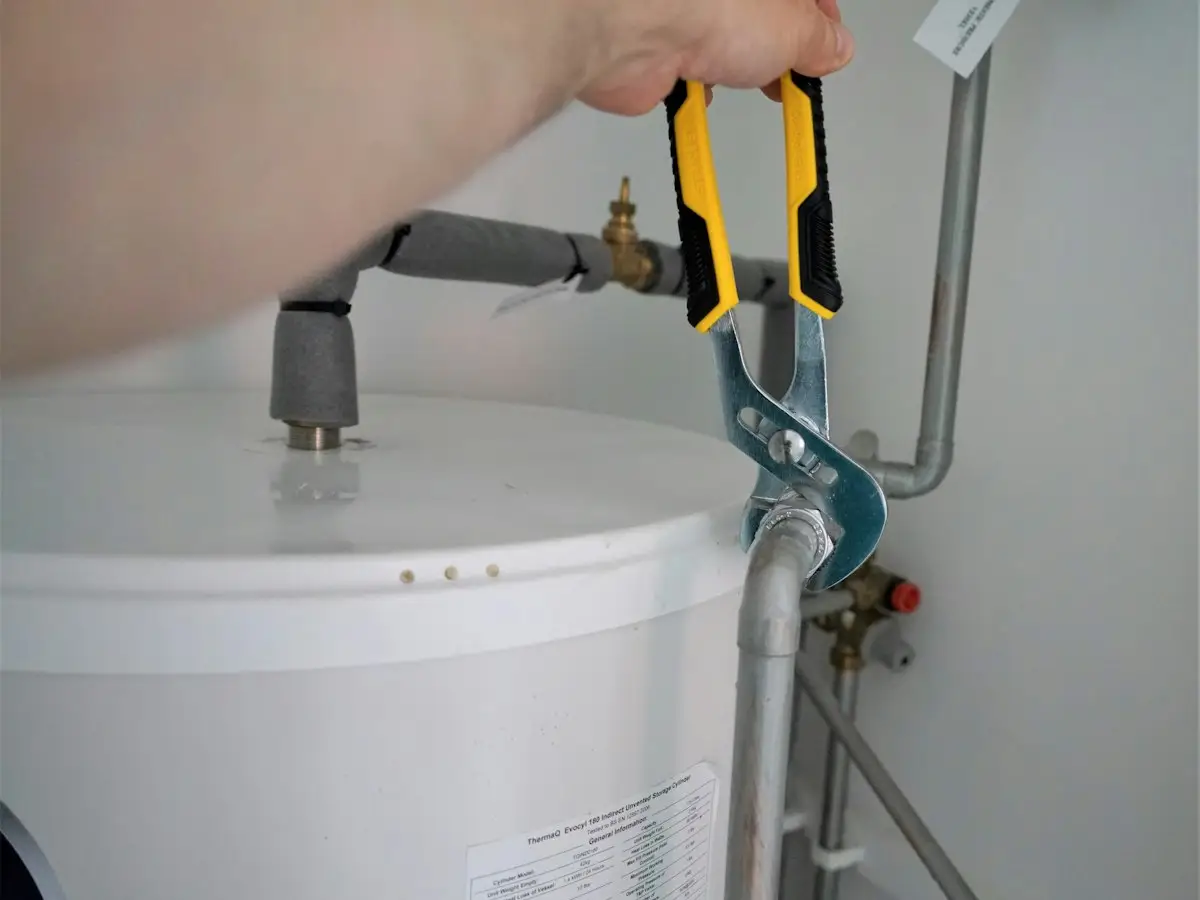
Caring for outdoor drainage systems is equally important. Disconnection of drainpipes from the sanitary sewer, along with the setup of French drains and yard catch basins, can substantially reduce the amount of groundwater infiltrating your sewer system. This rerouting protects your home’s base and prevents the risk of flooding during severe storms. Regular cleaning and maintenance of these outdoor systems will help keep them functioning efficiently throughout the seasons.
Grasping Regulatory and Regulatory Factors
In the province of Ontario, managing drainage and sewer systems demands adherence to diverse regulations that ensure the security and functionality of these infrastructures. Local governments often apply certain building codes and bylaws pertaining to the installation, maintenance, and inspection of sewer systems. This compliance is crucial not only for the longevity of the sewer lines but also for the safeguarding of the health of the public and the environment. Homeowners must stay informed about community regulations, especially when considering installations like backflow preventers or sump pumps, which are controlled to protect against flooding and contamination.
Moreover, municipalities such as Toronto, the Peel region, and Halton offer incentive programs aimed at incentivizing homeowners to improve their drainage systems. Comprehending Sewer drain cleaning and application processes is essential for homeowners seeking to take leverage these financial benefits. These programs aid manage issues related to basement flooding and sewer surcharges, providing critical support to residents while promoting compliance with city standards.
Lastly, hiring a licensed and insured drain contractor is crucial when undertaking any drain management project. Compliance with legal standards mandates that contractors satisfy specific licensing and insurance requirements. Homeowners should verify these credentials before commencing work, ensuring that they choose professionals who comply with the highest safety and quality standards in the industry. This diligence not only safeguards homeowners from possible liability but also helps to the overall maintenance of the municipality's drainage systems.